
His name is still whispered as a legendary Hiroshima yakuza. But no one visits his grave now.
- Original Title: 仁義なき戦い 広島死闘篇
- Directed by: Fukasaku Kinji
- Featuring: Kitaoji Kinya, Chiba ‘Sonny’ Shinichi, Nawa Hiroshi, Kaji Meiko, Sugawara Bunta, Narita Mikio, & more
- Studio: Toei
- Extras: Plot Deep Dive | Introduction to Battles Without Honor and Humanity
REVIEW
Synopsis
Set between 1950 and 1955 and inspired by a real-life yakuza hitman, Deadly Fight in Hiroshima is a side story following the rise and fall of the impetuous Yamanaka Shōji, and of his firecracker nemesis Otomo Katsutoshi. The second entry in the Battles Without Honor and Humanity series is a darker episode, imbued with the burden and trauma of the recent war.
A New Generation of Violence
Confident in the upcoming success of the Battles Without Honor and Humanity series, Toei studios ordered a second episode during the filming of the first. However, despite the early notice, the material for what would constitute episodes 3 and 4 (the Hiroshima War) had not yet been serialised. Seizing the opportunity for a change in focus, screenwriter Kasahara Kazuo opted to tell the self-contained story of another personality of the Hiroshima underworld, hitman Yamagami Mitsuji (Yamanaka Shōji in the film). To facilitate filming and ensure continuity, the team also added sparse appearances from established characters such as Hirono and Yamamori, and moved the action from 1946 to 19501.
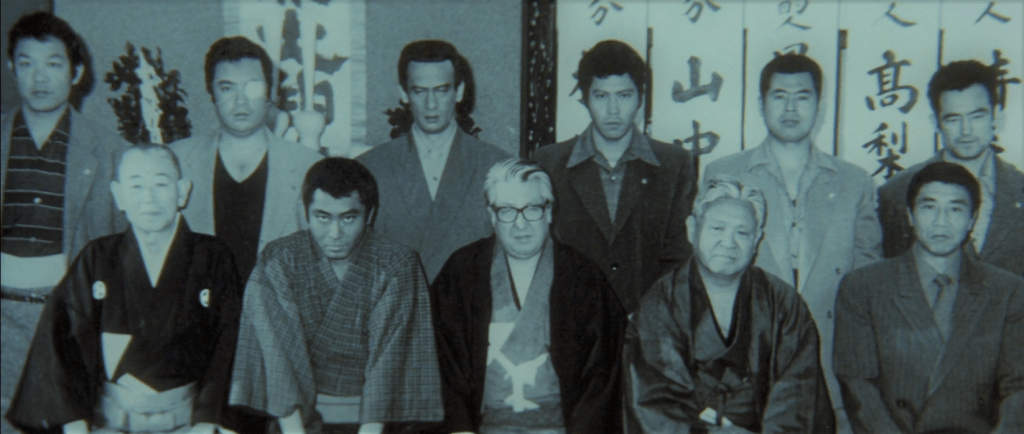
Shifting away from the ensemble cast of the first episode, Deadly Fight in Hiroshima puts the spotlight on Yamanaka Shōji, an aimless drifter cheating and fighting his way through post-war Hiroshima. His unbridled recklessness and explosive anger soon land him in prison and, once paroled, propel him into a vicious conflict and life-long rivalry with the equally fiery Otomo Katsutoshi, heir to the Otomo family.
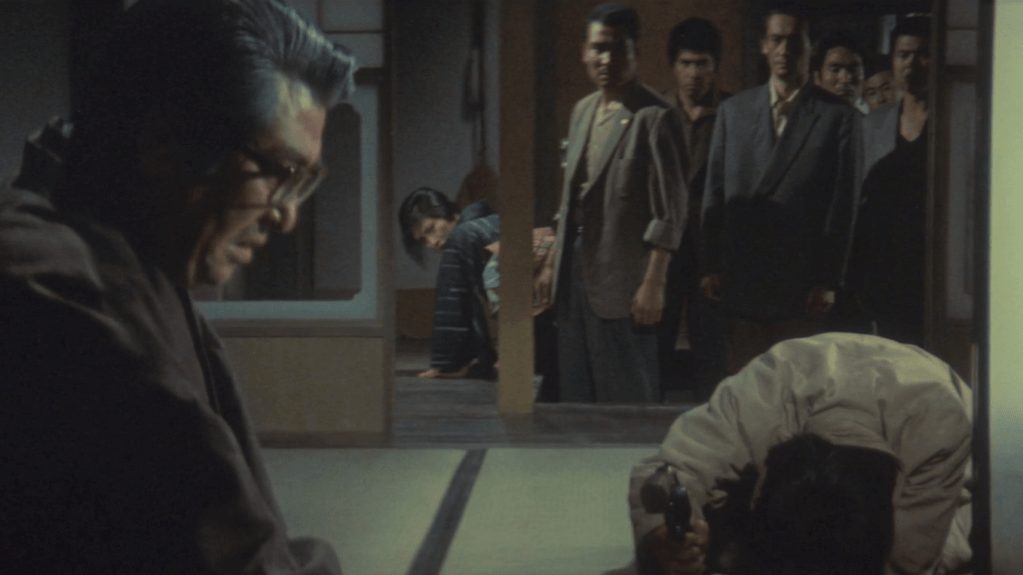
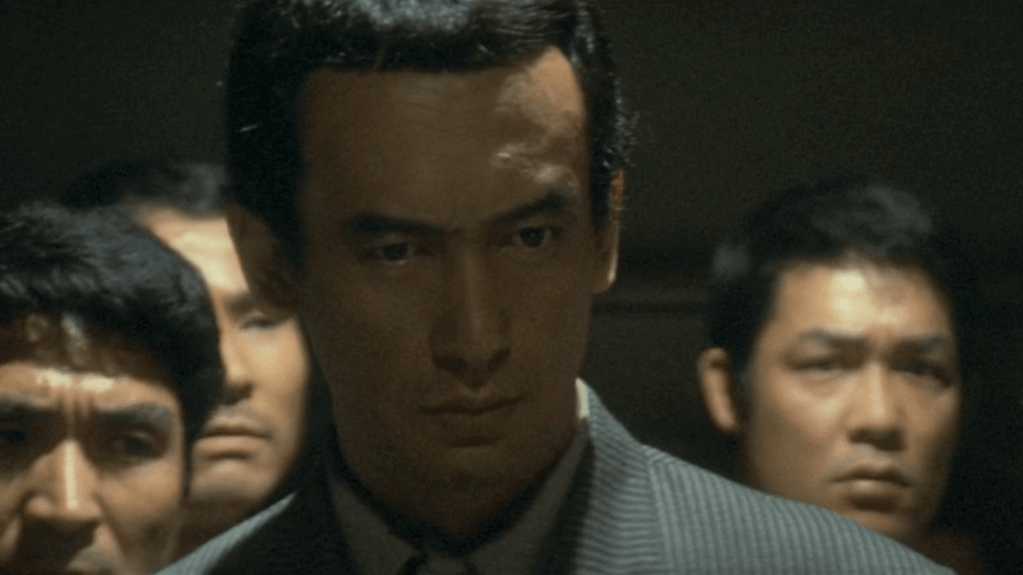
Muraoka Tsuneo, an influential Hiroshima yakuza boss, immediately takes Yamanaka under his wing, sensing his potential as a lethal – and easily manipulated – tool. Yamanaka, naive and grateful, pledges his life to Muraoka, finally finding an outlet for the intense loyalty he could not give his country. As Yamanaka grows into a legendary hitman, Katsutoshi pursues his own destructive path to independence, bringing the two ever closer to a lethal clash. However, local politics and the escalating strife between the Muraoka and Otomo families complicate the situation, triggering a sprawling conflict that threatens friends and foes alike…
The Overwhelming Shadow of War
Presented as the new generation of the Hiroshima yakuza world, Yamanaka and his nemesis Katsutoshi are deeply damaged men, unable to escape the overwhelming shadow of war hanging over them. Too young to enroll in the kamikaze units they so admired, too old to live through the war period unscathed, they cannot find their place in society, unable to let go of the fantasies of power that they – and their country – were denied. War imbues their every move and every speech: Yamanaka goes on a family outing next to the Atomic Bomb Dome; Katsutoshi hides in the ‘A-Bomb’ slums to plot his next move; both longingly refer to the kamikaze as aspirational figures, with Katsutoshi calling his gang a kamikaze squadron, and Yamanaka calling his gun his ‘little kamikaze plane’, whistling a solemn military song every time he uses it.
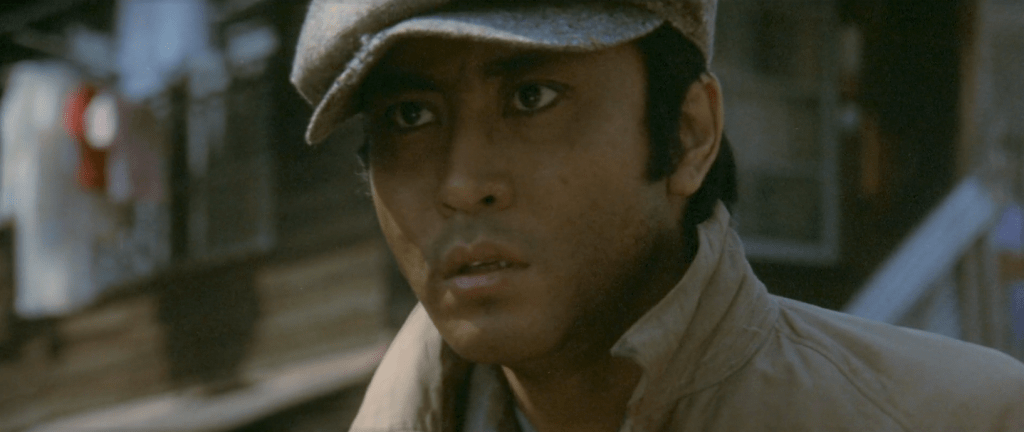
Tragically, these dark obsessions leave them incapable of reigning in their destructive emotions, making them perfect targets for manipulation – and for an inevitable downfall. Yamanaka yearns to give his life to a worthy cause and transfers his feverish fervour to Muraoka – sacrificing friendship, love, and much needed mentorship for a man who uses him and abandons him to a grim fate again and again. Katsutoshi rejects all notions of honour, authority, and family, and turns instead to a life of chaos, anarchy, and abject disregard for human life. He only succeeds in burning himself and countless others in the process, ending up much worse than he started.
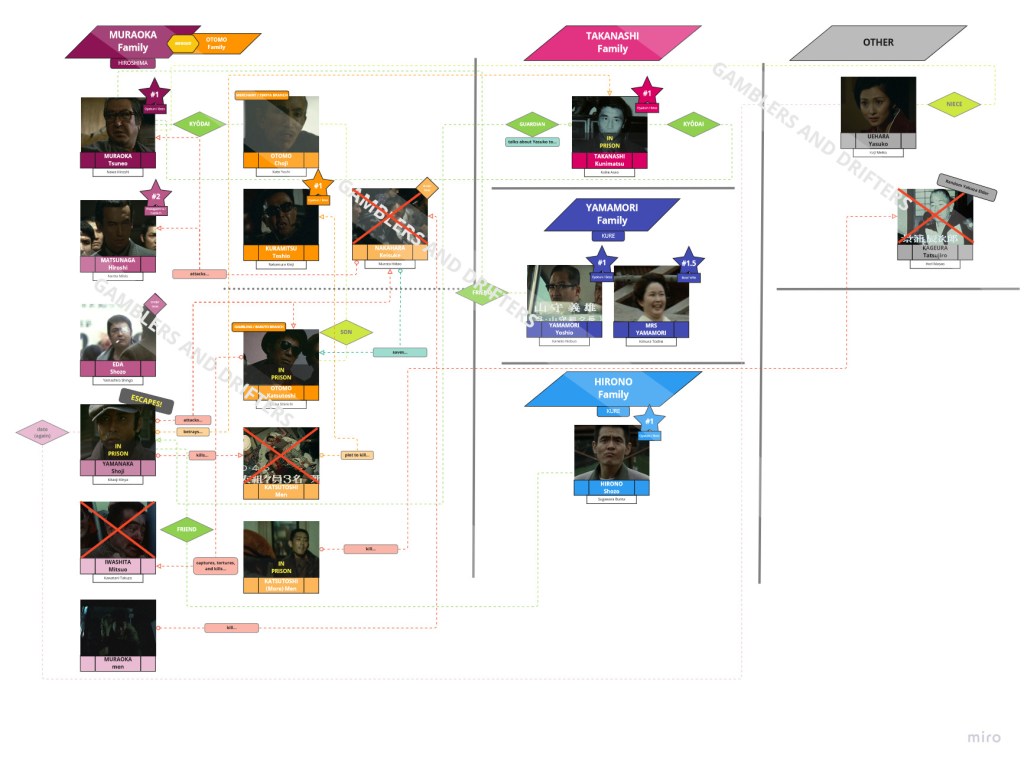
It’s interesting to note that Yamanaka’s trajectory is, initially, similar to Hirono’s in the first episode. Destitute and aimless, exploited by a toxic strategist (Muraoka uses exactly the same tricks than Yamamori, albeit more subtly: gifts, emotional manipulation, carefully planned prison time – all with the help of a right hand man), and ready to be sacrificed at the earliest convenience. But Hirono wisened up just in time and, despite his multiple attempts at helping Yamanaka, he can only watch as the latter meets a fate that could have been Hirono’s a few years earlier. Past redemption, abandoned by (almost) all, Yamanaka and Katsutoshi are by-products of a broken society and of the ruthless yakuza world, caught in a cycle of exploitation that can only end in tragedy.
Focused Direction & Crew
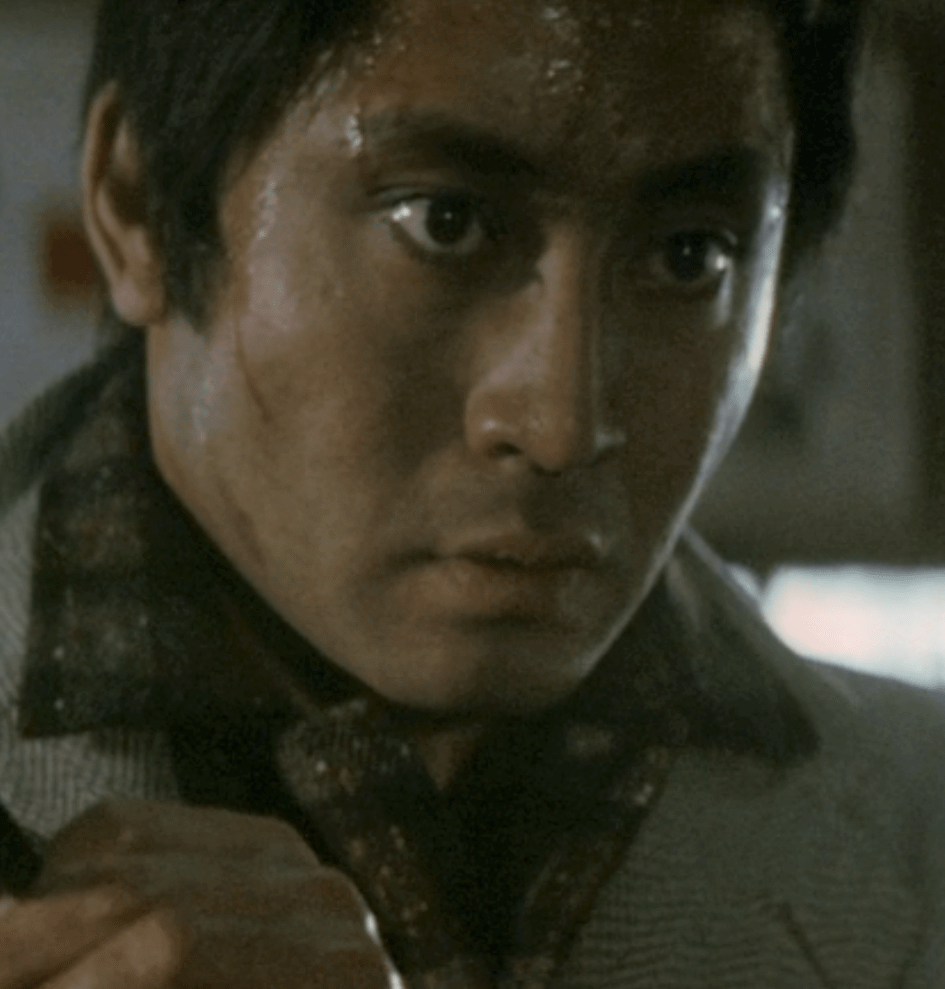
Deadly Fight in Hiroshima continues on with the hallmark Fukasaku touches – whirlwind pace and character introductions / dismissals, shaky camera, and neat chapters charting each character’s journey. Additionally, the second episode’s narrowed focus grants actors more space to fully express their character’s emotions and personality, with the help of numerous long takes and close-ups. Time ticks slowly as we watch Yamanaka hesitate to make his first kill, sweat streaming down his face and hands shaking uncontrollably. The deed done, we pause to watch him closely once more, terror abruptly giving way to glee, twisting his face into a strange grimace as he whistles a dark military song in celebration. The same opportunities are given to side characters: Muraoka’s flash of naked terror as he’s caught short without a plan, before quickly regaining composure; Matsunaga’s uncontrolled (and uncharacteristic) outburst of frustration, as he’s faced with the consequences of his duplicitous actions.
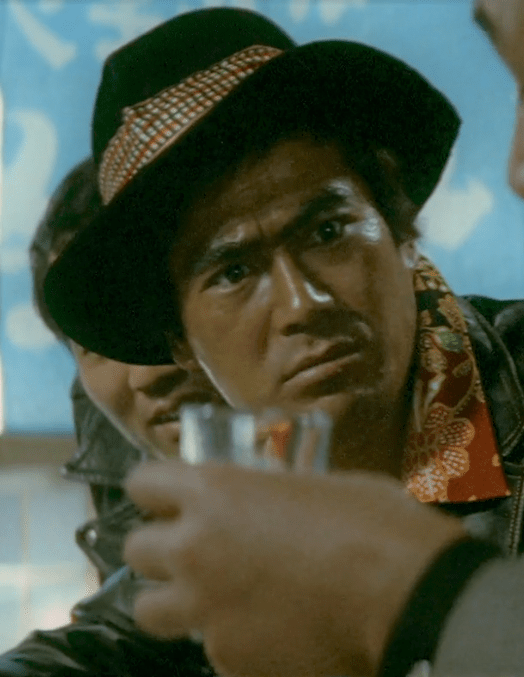
Once again, the impeccable casting goes a long way to compliment Fukasaku’s direction. Kitaoji Kinya’s incredible intensity is used to its full potential in both quiet and dramatic moments, eyes wide and face burning with extreme terror or anger at the flick of a switch. Chiba Sonny’s physicality shines in Katsutoshi’s outbursts of violence, ferociously attacking anything and anyone in his way. The supporting characters all get their moments to shine – all except perhaps Kaji Meiko, underused in the role of a war widow losing control over her destiny, with only glimpses of Kaji’s versatility on display here.
In Conclusion
Deadly Fight in Hiroshima is a focused, darker take on the Battles Without Honor and Humanity’s formula, leaning on powerful performances from its cast and swapping much of the series’ typical humour for the nihilism and brutal violence that would become the cornerstones of the jitsuroku genre. This episode is another testament to the talent of the series’ cast and crew, paving the way for future jitsuroku masterpieces – and for the complex political intrigues coming next!
BEST OF
START AS YOU MEAN TO GO ON
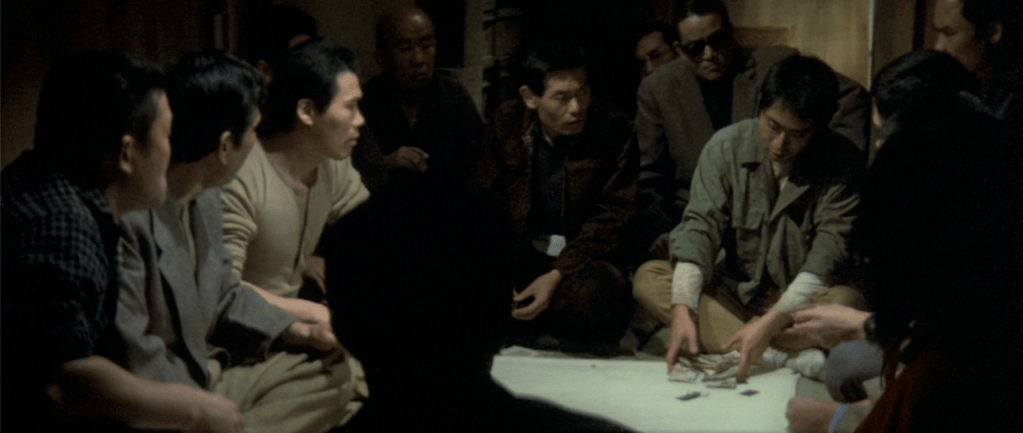
In a lively introduction showing the full extent of his recklessness, Yamanaka cheats at a gambling game, blames the dealers, steals half of their money, and then stabs them all in protest for being kicked out – all within five minutes. No messing around!
FORBIDDEN BBQ MEAT
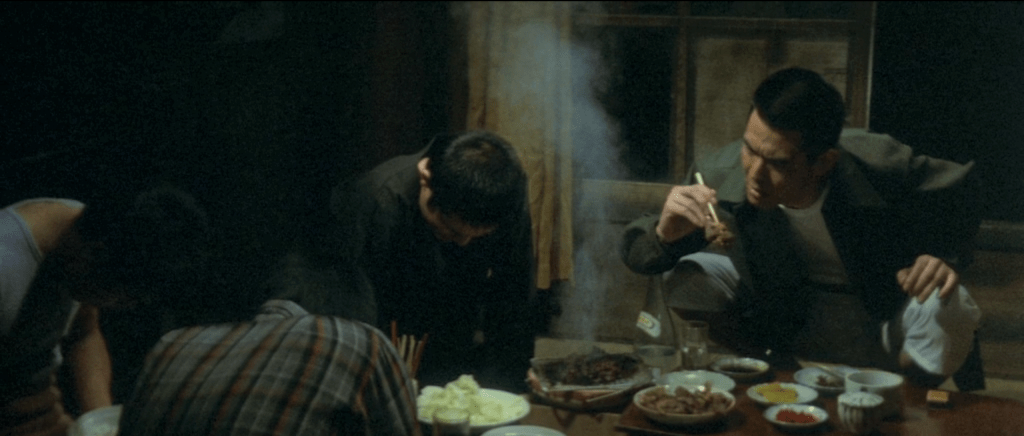
Broke, the members of Hirono’s family still want to treat their boss to a nice BBQ – so they source ‘local’ meat. Hirono realises the provenance after very suspicious behaviour from his men, and even more suspicious behaviour from dogs howling outside. It’s time for a cash injection (or a vegetarian diet).
PRESS RELEASE
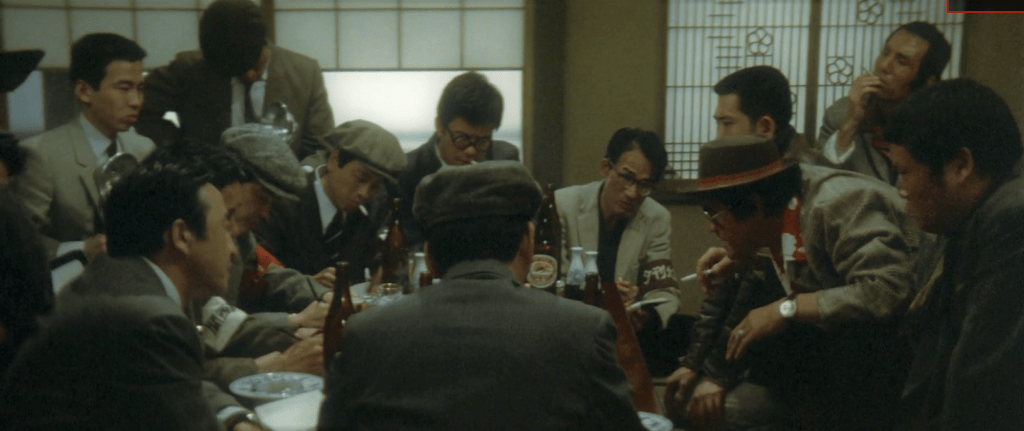
Killing a yakuza elder is not quite offensive enough for rebel Katsutoshi. Aiming for maximum obnoxiousness, he organises a press conference to joyfully explain and justify the killing to the world. Who needs PR when you have a totally unhinged boss.
TEAM BONDING FROM HELL
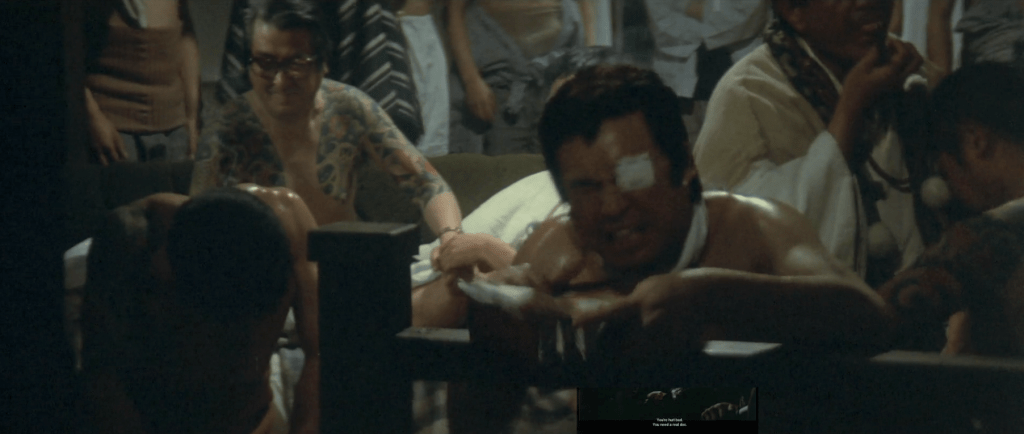
Muraoka organises a team day in for the team, involving some painful rituals delivered by a priest. While Eda just about faints in agony, Matsunaga tactfully avoids the group activity with evasive excuses. A fine strategist indeed.
THE CYCLE REPEATS
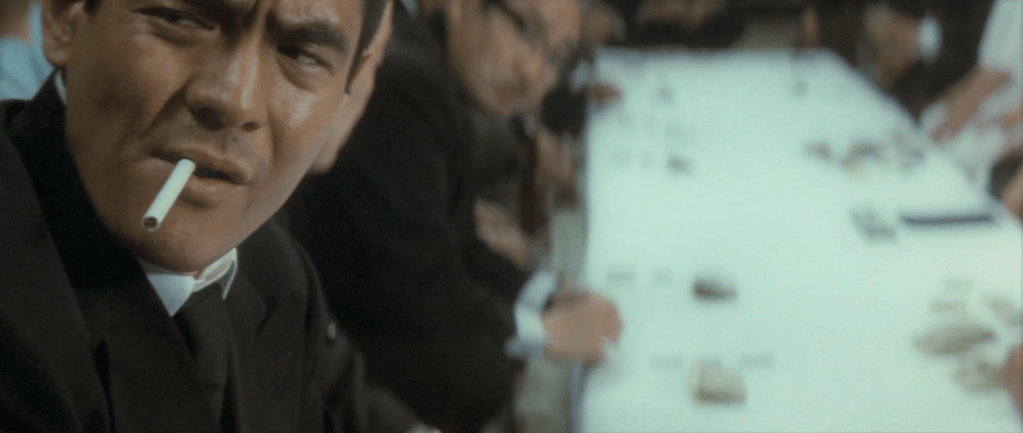
One more episode, one more funeral for Hirono to attend. As Hirono mourns the departed, gracefully weathering incessant bickering from Yamamori, he looks on to see the big bosses behind the tragedy party behind him, laughing and rolling in the cash brought on by the deceased. Nothing ever changes.
Notes and References
1. This timeline adjustment facilitates the inclusion of other characters – but it was also due to very pragmatic constraints, notably that the 1946 black market set could not be rebuilt quickly enough for the shooting schedule. Kasahara also stated that the adjusted timeline and forced character inclusions were weak points in the film. (Kasahara, Kazuo (2015) [1974]. “Jitsuroku: My Personal Account of the Screenplay – The 300 Days of Battles Without Honor and Humanity”. Battles Without Honor and Humanity Dual Format Blu-ray & DVD. Translated by Akita, Sho. Arrow Films.)
Discover more from Gamblers & Drifters
Subscribe to get the latest posts sent to your email.
 Gamblers & Drifters
2 thoughts on “Review: Battles Without Honor and Humanity [2] – Deadly Fight in Hiroshima (1973)”